
Quick Links
ToggleWhen customers place an order, the first thing they want to know is simple. Where is my package right now? Studies show that among Indian consumers, 73 percent want full visibility throughout the delivery journey. When tracking is available, a massive 96 percent of customers actually use it. That number alone tells you how important delivery tracking has become for online businesses in India.
If your customers cannot track their orders easily, delivery anxiety sets in. They start checking emails, refreshing messages, or reaching out to support teams for updates. Over time, this frustration can affect trust and push them away from repeat purchases. On the other hand, when you offer clear and reliable tracking, customers feel informed and in control. This small detail can make a big difference in satisfaction, brand loyalty, and repeat business.
In this blog, we will take a closer look at delivery tracking apps for Indian e-commerce businesses. You will learn why tracking matters so much, how these apps work behind the scenes, and which tools can help you offer a smoother post-purchase experience. Let’s get started.
What is a Delivery Tracking App?
A delivery tracking app is a tool that helps you and your customers keep track of orders from the moment they leave your business until they reach the customer’s doorstep. It gives you real-time updates on where your delivery agents are, how long a delivery might take, and whether there are any delays along the route. This kind of visibility makes it easier to manage logistics, handle customer queries, and improve delivery efficiency. If you run a business that depends on shipping or home delivery, using a delivery tracking app can save you time, reduce confusion, and boost customer satisfaction.
Benefits of Delivery Tracking Apps
Delivery tracking apps play an important role in how customers feel about their orders and how smoothly businesses run their delivery operations. Let’s look at how these apps help both sides.
For Your Customers
-
Real-Time Visibility
Your customers don’t have to keep guessing where their package is. With tracking apps, they can see the exact location of their order on a map. It helps them plan their day better and reduces anxiety around delivery.
-
Accurate ETAs
Instead of vague delivery windows, they get precise estimates. That makes things more predictable and improves their overall experience with your service.
-
Proactive Updates
If there’s a delay or a change in schedule, your customers receive instant alerts. They stay in the
loop without having to constantly check in. -
Greater Control
Customers can reschedule deliveries or manage preferences directly through the app. It gives them
flexibility and builds a sense of control around when and how they receive their orders. -
Proof of Delivery
Once the delivery is complete, your customers get a confirmation via photo or digital signature. This builds trust and helps resolve any confusion if something goes wrong.
For Businesses
-
Higher Efficiency
Tracking apps help drivers follow the most efficient routes. That means less fuel, less time wasted, and more deliveries completed per day.
-
Cost Reduction
When customers can track their own orders, your team gets fewer “Where is my order?” calls. That saves time, reduces support costs, and keeps things running smoother.
-
Enhanced Customer Loyalty
When people can see what’s happening with their delivery in real time, they trust your business more. That kind of transparency builds repeat customers.
-
Improved Driver Safety
With real-time tracking, you can monitor routes and check in on driver performance. It’s easier to make sure your team is safe and sticking to schedules.
-
Data-Driven Insights
Delivery tracking apps collect a lot of data. You can review route efficiency, average delivery times, and bottlenecks to make better decisions going forward.
-
Streamlined Operations
These apps often plug into your existing systems. You can automate status updates, sync data across platforms, and manage everything from one place.
Learn How to Start an Online Business in India
Types of Delivery Tracking Applications for Indian Businesses
Here’s a breakdown of the different types of tracking apps used across Indian businesses:
1. Consumer-Facing Tracking Apps
These are the tracking tools your customers use directly. Think of apps that let them enter a tracking ID and instantly see where their order is. Apps like AfterShip or those used by courier services often fall into this category. They’re designed to give real-time updates, estimated delivery dates, and even push notifications. These tools boost customer confidence and reduce support calls because your customers get answers on their own. Many Indian e-commerce sites or logistics companies embed these apps into their websites or offer them via branded mobile apps.
Best suited for:
- D2C brands
- Small online shops
- Retailers focused on customer satisfaction
2. Business-Oriented Delivery Management Platforms
This type is built for business owners and operations teams. These platforms don’t just track packages; they help you manage your entire delivery workflow. You can assign drivers, optimise routes, monitor real-time status, and view analytics. These tools help reduce delivery delays and make sure everything runs smoothly, especially if you handle deliveries in-house or through a fleet of agents.
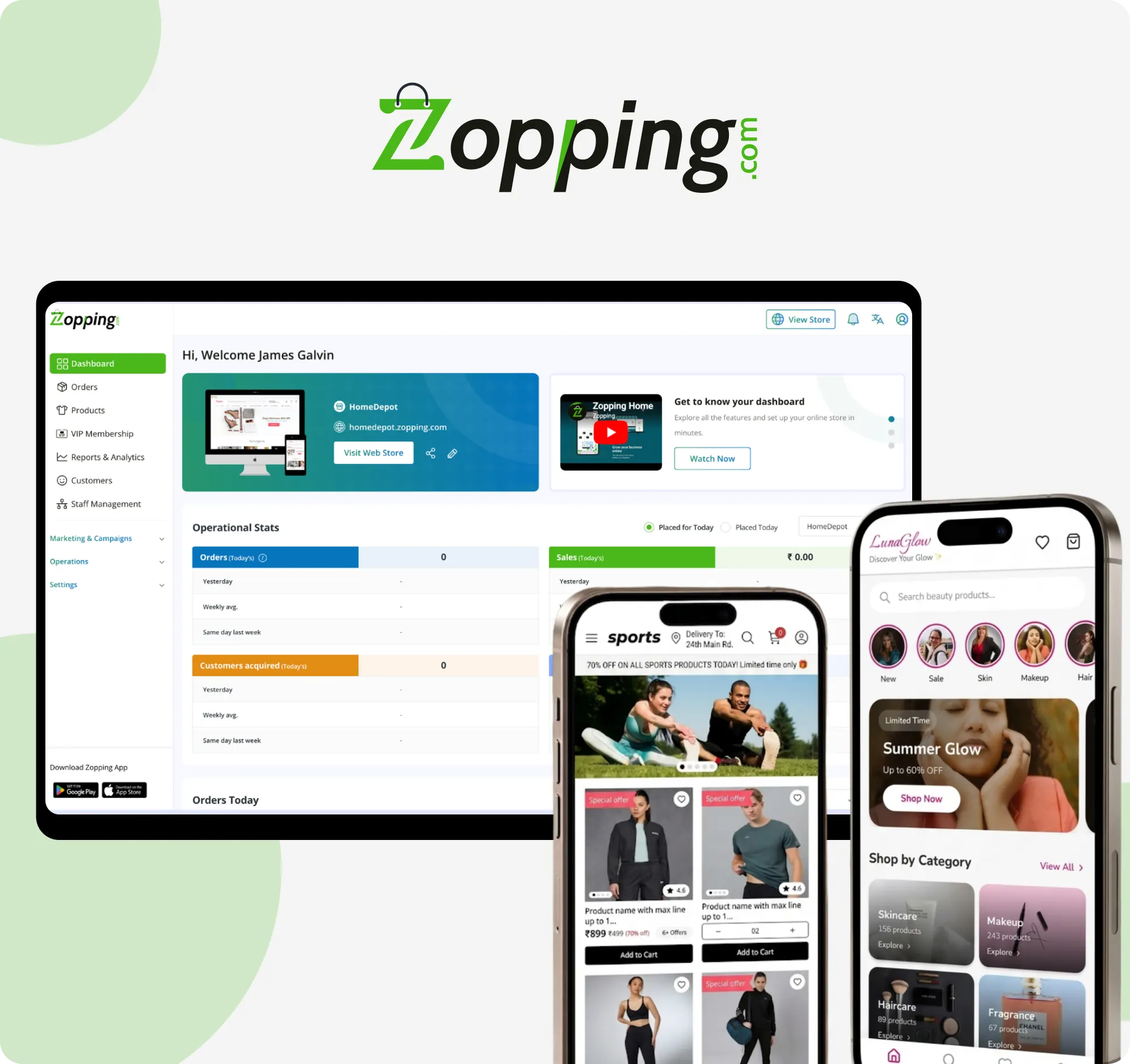
Many Indian SMBs and startups use tools like Zooping to stay on top of logistics without getting overwhelmed. That’s because Zopping offers dashboards, automated alerts, and easy integration with your backend systems.
Use this if: You’re running your own delivery network or want full visibility over third-party deliveries.
Best suited for:
- Logistics companies
- Hyperlocal delivery networks
- Large restaurants, dark kitchens, or grocery chains
- Any business managing in-house delivery teams
3. Courier Company-Specific Tracking Solutions
If your business ships through well-known courier services like Blue Dart, DTDC, Delhivery, or India Post, you can make use of their built-in tracking tools. These platforms provide tracking APIs or pre-built widgets that you can plug into your website or apps. Your customers can enter their tracking ID and see status updates pulled directly from the courier’s backend.
What makes this useful is accuracy. Since the data comes straight from the courier’s system, you don’t need to worry about syncing or delays. It’s also a low-maintenance option if you’re not looking to build a custom solution.
Example: Blue Dart’s tracking tool is commonly integrated by small retailers and sellers on marketplaces. It’s reliable and often offers SMS/email updates too.
Best suited for:
- Small to mid-sized businesses
- Shopify sellers or Amazon merchants
- Businesses that ship pan-India using standard courier partners
4. E-Commerce Platform Integrated Tracking
Some platforms like Shiprocket and Pickrr go a step further by combining order processing, shipping, and tracking under one roof. You can choose a courier, print labels, schedule pickups, and provide your customers with a branded tracking page all within one dashboard.
They offer automated status updates, WhatsApp alerts, and even NDR (non-delivery report) management. You save time by not juggling multiple courier dashboards.
Best suited for:
- Growing D2C brands
- Multi-channel sellers (Amazon + Flipkart + own website)
- Sellers looking to scale without building their own delivery system
| Type of App | Best Suited For | Carrier Coverage | Core Capabilities | India-Focused Advantages |
|---|---|---|---|---|
| Consumer-Facing Apps | Individual customers who want to track personal orders | Usually supports 600 to 700 plus courier services | Live shipment updates, status alerts, multi-courier tracking, email or app notifications | Supports popular Indian courier companies such as Delhivery, Blue Dart, DTDC, and India Post |
| Business-Oriented Platforms | Small businesses, growing brands, and large enterprises | Carrier coverage can be configured based on business needs | Branded tracking pages, delivery confirmation, shipment analytics, route planning, customer notifications | Helps with GST-related workflows, supports regional languages, and meets enterprise-level data security standards |
| Courier-Specific Apps | Businesses or individuals using a single courier partner | Limited to one courier company | Deep tracking visibility, courier-specific updates, delivery attempt history | Designed around Indian logistics infrastructure and the national PIN code system |
| E-Commerce Integrated Tools | Online sellers running stores on platforms like Amazon or Shopify | Depends on the e-commerce platform and courier integrations | Automatic order syncing, shipment tracking, customer notifications, return tracking | Works well with Indian payment methods, supports UPI, COD orders, and local courier integrations |
Top Delivery Tracking Apps for the Indian Market
Whether you’re shipping across the country or delivering within city limits, tracking is everything. Here are some of the top delivery tracking apps that Indian business owners can use to streamline operations, keep customers informed, and manage logistics more smoothly.
For General & E-commerce Logistics (National/International)
-
Delhivery
Delhivery is one of the most widely used logistics platforms in India. It offers end-to-end solutions including warehousing, first-mile, last-mile, and reverse logistics. Their tracking system gives businesses real-time updates so you and your customers know exactly where a parcel is at any given time.
-
Blue Dart
Blue Dart is a trusted name when it comes to speed and reliability. Known for strong domestic and international courier services, their tracking tools are accurate and easy to use. It’s a solid choice if your business relies on dependable timelines and consistent communication with customers.
-
Shiprocket
Shiprocket is built for e-commerce brands. It connects your store with multiple courier partners like Delhivery, Blue Dart, and others through a single dashboard. The platform makes it easy to track shipments, automate labels, and manage returns, all while giving customers a seamless tracking experience.
-
Ecom Express & Xpressbees
Both Ecom Express and Xpressbees are strong players in India’s e-commerce logistics space. They specialize in last-mile delivery, and their tracking systems are well integrated for high-volume shipments. These platforms are especially useful for sellers working with marketplaces or growing D2C brands.
-
AfterShip / 17TRACK
If you’re looking for a global tracking solution, AfterShip and 17TRACK are great options. These platforms allow you to track packages across hundreds of different courier services using just one interface. While they’re especially useful for customers who shop across sites, business owners can use them to monitor international shipments with ease.
For Hyperlocal & On-Demand Needs (Intra-City)
-
Dunzo
Dunzo is ideal for quick, intra-city deliveries. Whether you’re delivering groceries, medicines, or office documents, Dunzo helps you get it done fast. The app shows live tracking for every order, and it’s a go-to for businesses offering same-day delivery in metros.
-
Borzo (formerly WeFast)
Borzo focuses on point-to-point delivery within cities. It’s popular among small businesses and individual sellers who want fast and affordable shipping. You can book deliveries through the app or website and track everything in real-time, making it easy to manage quick shipments without hassle.
-
Porter
Porter is perfect if you need to move bulky items or make B2B deliveries. From bikes to mini trucks, the app lets you book transport on demand and track your delivery live. It’s useful for retailers, wholesalers, and even furniture or appliance sellers who need local transport options.
-
Mover
Mover is a rising name in the hyperlocal delivery space, offering quick transport for everything from food to furniture. They also have a large fleet of EVs, which makes it a sustainable option. You get end-to-end tracking and transparent updates throughout the journey.
-
Pidge
Pidge provides fast local deliveries with a focus on security and control. It’s popular in sectors like fashion, food, and gifting where safe and on-time deliveries matter. The app’s tracking and routing features give businesses confidence in managing deliveries within the city.
How to Add Delivery Tracking to Your Zopping Setup
If you’re already using Zopping to manage your orders and inventory, adding delivery tracking is the next smart step. You don’t need separate apps or extra tabs. Zopping gives you the tools to turn your store into a single control center for managing orders, riders, and customer communication.
Let’s walk through how to enhance your Zopping setup with real-time delivery tracking and communication.
1. Use Zopping’s Built-In OMS for End-to-End Tracking
Zopping’s Order Management System lets you see everything in one place. You can view incoming orders, assign them to delivery partners or your own riders, and monitor each shipment as it moves through stages like “packed,” “out for delivery,” and “delivered.” This dashboard makes it easy to spot delays, follow up quickly, and give customers updates without confusion.
To make tracking even smoother:
- Connect hyperlocal delivery apps and third-party logistics partners to Zopping. This way, tracking data from those partners automatically flows into your dashboard.
- Use Zopping’s rider tools like route optimisation, live tracking, and OTP delivery confirmation. These help improve on-time rates and reduce delivery issues.
2. Add Delivery Notifications with CRM Integration
Zopping already works with messaging tools like SMS, WhatsApp, and email. When you connect these tools to your CRM, you can build automated workflows that send out updates at each stage of the delivery journey.
Here’s what you can do once your CRM is linked with Zopping:
- Send automated alerts such as “Order Confirmed,” “Dispatched,” or “Delivered” based on real-time status updates.
- Store all delivery messages in the CRM timeline so your support and sales teams can see the full history. This makes customer support faster and more accurate.
3. Personalise Delivery Messages Across Channels
You can fully customise your delivery communication to match your brand’s tone. Whether it’s through WhatsApp, SMS, or email, Zopping allows you to create message templates that pull in live order info like tracking links, ETA, and customer support contacts.
Some smart communication tips:
- Use different templates for each stage of the delivery, like one for dispatch and another for final delivery.
- Collect customer feedback after delivery using a simple prompt in the message. Feed that data back into your CRM or Zopping account to keep improving your service.
4. Follow a Simple Roadmap to Roll Out Delivery Tracking
You don’t have to set up everything at once. Here’s a phased approach to help you roll out delivery tracking without slowing down your current operations.
Phase 1: Set Up in Zopping
- Configure your order statuses, delivery zones, and service-level agreements (SLAs).
- Link Zopping with your delivery partners or rider apps and test the tracking flow from start to finish.
Phase 2: Link Your CRM and Messaging Tools
- Sync important customer and order details between Zopping and your CRM. You can use built-in integrations, middleware, or APIs for this.
- Make sure your CRM is connected to WhatsApp, SMS, and email so it can send delivery updates using your chosen templates.
Phase 3: Optimise and Analyse
- Set up dashboards to track delivery performance, message engagement, and repeat purchases.
- A/B test different message formats and timings. Refine your templates and adjust delivery routes or partners based on what works best.
Closing Thoughts
For Indian e-commerce businesses, delivery tracking is now part of the basic customer experience. Customers expect to know where their order is and when it will arrive. When tracking is clear and reliable, support queries drop and trust improves. Whether you rely on courier tools, platform-level tracking, or systems like Zopping, having proper visibility after checkout helps you run smoother operations and keep customers coming back.