
Quick Links
ToggleRestaurants today are relying heavily on food delivery apps to bring in orders. While these platforms do offer visibility and convenience, they also take away a large share of profits and control. From high commissions to limited access to customer data, many restaurant owners are starting to feel the pressure. That is where having your own website changes the game. It gives you direct ownership of orders, stronger brand presence, and better long term margins. In this blog, we will look at why moving beyond delivery apps and investing in your own website is becoming a smart and necessary step for modern restaurants.
What is the Problem with Relying on Quick Delivery Apps?
Many restaurants see quick delivery apps as a growth shortcut. They do help with orders, but relying on them completely can create long-term business risks like:
-
High Commission Fees
One of the biggest concerns for restaurant owners is the high commission charged by quick delivery platforms. Most apps take anywhere between 18 percent to 35 percent per order. This cut directly affects your profit margins.
For example, if you sell a dish for ₹300, you might end up receiving only ₹200 or even less after commission, discounts, and platform charges. Add packaging and delivery costs to this, and your net profit becomes very thin. Over time, this makes it difficult to sustain quality while staying profitable. Many small and mid-sized restaurants feel the pressure the most because they cannot absorb these costs easily.
-
Brand Dilution
When customers order through delivery apps, your restaurant becomes just another listing on a long scroll of options. Your brand identity slowly takes a backseat.
Customers often remember the app they ordered from rather than the restaurant itself. They might say they ordered from “an app” instead of recalling your restaurant name. Even packaging sometimes carries the platform’s branding more prominently than yours. This weakens brand recall and reduces direct loyalty.
-
Limited Customer Data
Customer data is one of the most valuable assets for any restaurant today. But quick delivery apps rarely share detailed customer information.
You may see order numbers and basic location data, but you do not get email IDs, phone numbers, or ordering behaviour insights in depth. This limits your ability to run loyalty programs, personalised offers, or festive campaigns.
For example, if a customer orders from you ten times through an app, you still cannot directly reach out to them with a special discount or new menu launch. The platform owns that relationship, not you.
-
Dependency Risk
Over-reliance on delivery apps creates operational dependency. If a platform changes its algorithm, increases commissions, or suspends your listing due to policy issues, your order flow can drop overnight.
Many restaurants saw this during peak lockdown phases and later when platforms reshuffled visibility rankings. Restaurants that depended only on app orders struggled, while those with strong dine-in, takeaway, or direct ordering systems stayed more stable.
Dependency also reduces your bargaining power. The more you rely on a single platform, the less control you have over pricing, promotions, and customer engagement.
What Are the Benefits of Having Your Own Restaurant Website?
Let’s look at the benefits you get when you have a dedicated website for your restaurant.
-
Enhanced Visibility
A restaurant website helps people find you easily on Google when they search for food nearby. Instead of depending only on delivery apps or social media, your website becomes your main online address. When someone searches for “best biryani near me” or “family restaurant in Andheri,” a well-optimised website increases your chances of showing up. This is especially useful for local discovery and repeat visibility.
-
Customer Convenience
A website makes life easier for your customers. They can view your menu, timings, location, and contact details anytime without calling the restaurant. Many Indian customers prefer checking menus online before visiting, especially families planning dinner or groups ordering in bulk. Clear information reduces confusion and saves time for both customers and staff.
-
Cost-Efficiency
Relying only on food delivery platforms can get expensive because of commissions. With your own website, you can accept direct orders and reduce dependency on third-party apps. Even if you still use delivery platforms, your website helps balance costs by bringing in direct traffic. Over time, this saves a noticeable amount on commission payouts.
-
Real-Time Tracking
If your website is integrated with an order management system, customers can track their orders in real time. They know when food is being prepared and when it is out for delivery. This reduces customer anxiety and cuts down support calls asking for order updates. It also improves the overall ordering experience.
-
Data Analytics
Your website gives you access to customer data and behaviour insights. You can see which dishes are most viewed, what time orders peak, and which offers perform best. This data helps you plan menus, pricing, and promotions more smartly. For example, if you notice biryani orders spike on weekends, you can run weekend combos or bulk deals.
-
Marketing Opportunities
A website becomes your own marketing platform. You can promote festive offers, buffet nights, live music events, or new menu launches. Unlike social media posts that disappear in feeds, website banners and pop-ups stay visible to every visitor. You can also collect emails or phone numbers to run WhatsApp or SMS campaigns later.
-
Competitive Advantage
Many small restaurants still depend only on delivery apps or Google listings. Having a professional website instantly sets you apart. It shows that your brand is serious and well established. When customers compare options, a restaurant with its own website often feels more trustworthy and premium.
-
Streamlined Operations
Websites can automate multiple processes such as reservations, catering enquiries, and online orders. This reduces manual work for your staff. Instead of answering repeated calls about menu or timings, customers can find everything online. It saves time and keeps operations smoother during rush hours.
-
Expansion Possibilities
If you plan to expand to multiple outlets, a website makes scaling easier. You can list all branches, manage menus city-wise, and centralise orders. It also helps if you plan to start cloud kitchens, franchise models, or packaged food sales. Your website becomes the digital base for growth.
-
Security and Trust
Customers trust restaurants that have an official website. It reassures them that the brand is genuine and established. Secure payment gateways, verified contact details, and real photos build confidence. This is especially important for prepaid online orders where customers want assurance before paying.
How Zopping Helps Restaurants With Their Own Website
Running a restaurant today is not just about good food. Customers expect the convenience of ordering online directly from your brand. Having your own website helps you take control of orders, reduce third-party commissions, and build a stronger connection with your customers. This is where Zopping steps in, helping restaurants create and manage their own online ordering website with ease.
-
No-Code Website and Store Builder
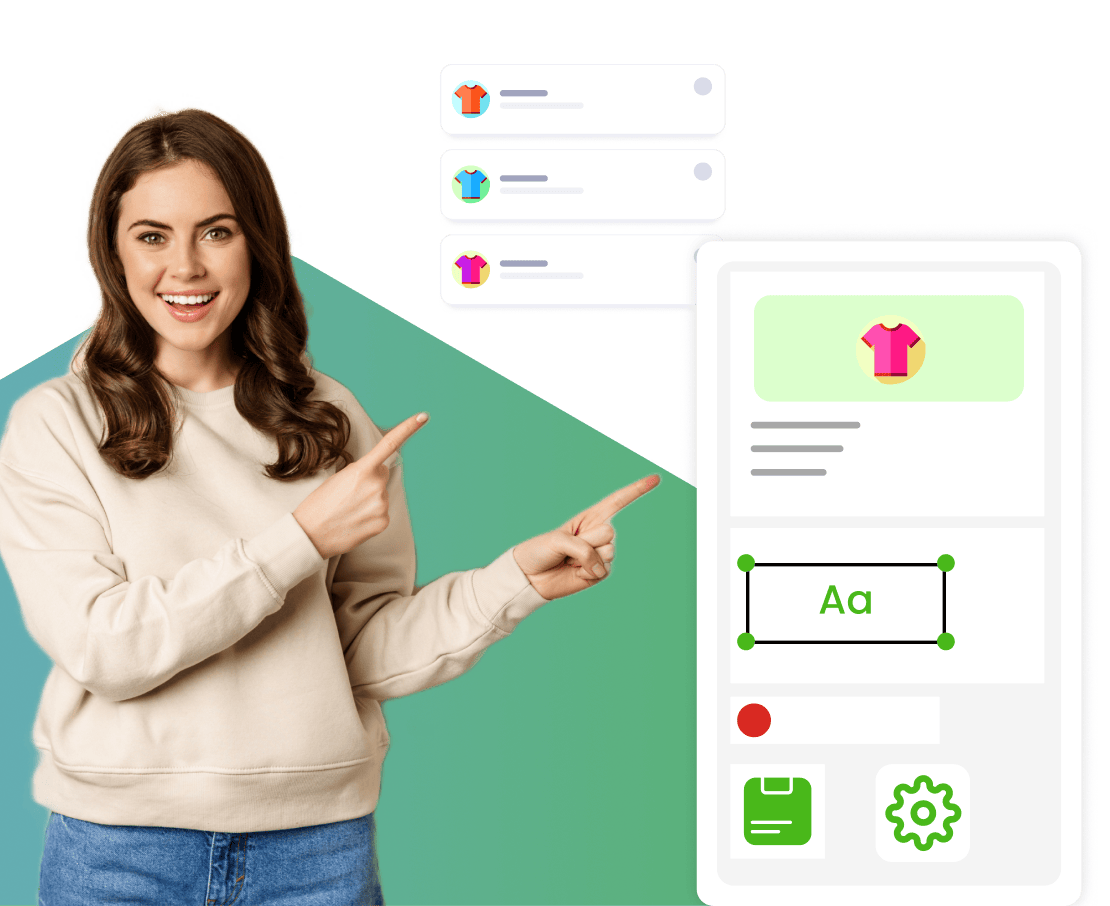
Zopping makes it easy for restaurants to create their own website without needing any technical knowledge. You do not have to hire a developer or learn coding. The platform gives ready templates where you can add your logo, menu, pricing, photos, and brand colours in a few steps. This is especially helpful for small and mid-sized restaurants that want to go online but want to keep costs low. Whether you run a café, cloud kitchen, or fine-dine restaurant, you can get your website live quickly and start taking direct orders.
-
Integrated Online Ordering System
With Zopping, your website comes with a built-in ordering system. Customers can browse your menu, customise dishes, add items to cart, and place orders directly. This removes the need to depend only on third-party food delivery apps. For example, if someone wants to order biryani, pizza, or thali from your restaurant, they can do it straight from your website without paying aggregator markups. This helps you retain more profit on every order.
-
Secure Payments and Smooth Checkout
Zopping integrates with secure online payment partners so customers can pay through UPI, debit cards, credit cards, and wallets. The checkout process is designed to be simple and quick, which reduces cart drop-offs. In India, where most users prefer UPI payments, this becomes very useful. A smooth checkout experience builds trust and encourages repeat orders from customers.
-
Order Management Dashboard
Managing multiple orders can get chaotic, especially during peak hours. Zopping provides a central dashboard where restaurants can view, accept, reject, and track orders in real time. Kitchen staff and managers get clarity on incoming orders without confusion. This helps improve preparation time, reduce errors, and maintain service quality even during busy dinner rushes or weekend traffic.
-
Delivery Management Tools
Zopping also helps restaurants handle deliveries more efficiently. You can assign orders to your in-house delivery staff or integrate external delivery partners. The system allows you to track delivery status, manage delivery zones, and set charges based on distance. For restaurants that already have their own riders, this becomes a cost-saving alternative compared to paying high commissions to delivery platforms.
-
Marketing and SEO Support
Having a website is one thing. Getting customers to visit it is another. Zopping supports restaurants with built-in marketing and SEO tools that help improve online visibility. This means when someone searches for “best pizza near me” or “family restaurant in Surat,” your website has better chances of showing up. Restaurants can also run offers, discount banners, and promotional campaigns to attract more direct orders.
-
Analytics and Insights
Zopping gives restaurants access to detailed analytics about their business performance. You can see which dishes sell the most, what time orders peak, customer ordering patterns, and repeat purchase behaviour. These insights help restaurants make smarter decisions about pricing, menu updates, and offers. For example, if butter chicken combos sell more on weekends, you can create targeted deals around them.
-
Mobile-Friendly Design
Most customers in India order food using their phones, not desktops. Zopping ensures every restaurant website is fully mobile-optimised. Menus load fast, images display properly, and checkout works smoothly on smartphones. This improves user experience and increases the chances of order completion. A mobile-friendly website also looks more professional and trustworthy to customers.
Take control of your online orders and stop losing margins to third-party apps.
Build your restaurant website with Zopping and start accepting direct orders today.
Book a Demo
Closing Thoughts
Food delivery apps can bring orders, but they should not run your business. Having your own website helps you take back control over pricing, customer relationships, and profits. It builds your brand, reduces long-term costs, and gives you a more stable foundation to grow. For restaurants that want to stay profitable and future-ready, owning the ordering journey is no longer optional. It is a practical step toward running a stronger, more independent business.