
Quick Links
ToggleIt’s no secret that the consumer market of India is growing at a rapid rate.
In fact, India’s FMCG market was valued at $167 billion in 2023 and is projected to exceed $615 billion by 2027. This rapid growth signals a massive opportunity for online sellers.
If you are planning to take your business online or expand into daily-use consumer products, understanding what FMCG is and how it works in the digital landscape is essential.
Key Takeaways
- FMCG refers to Fast-Moving Consumer Goods that sell quickly at low margins and high volumes.
- The FMCG industry in India is one of the largest and fastest-growing sectors.
- eCommerce in FMCG is also expanding rapidly due to digital adoption and changing consumer behaviour.
- Online sellers can scale FMCG brands through data, logistics optimisation, and omnichannel strategies.
- Platforms like Zopping help FMCG businesses in India manage inventory, payments, and delivery seamlessly.
What Is FMCG?
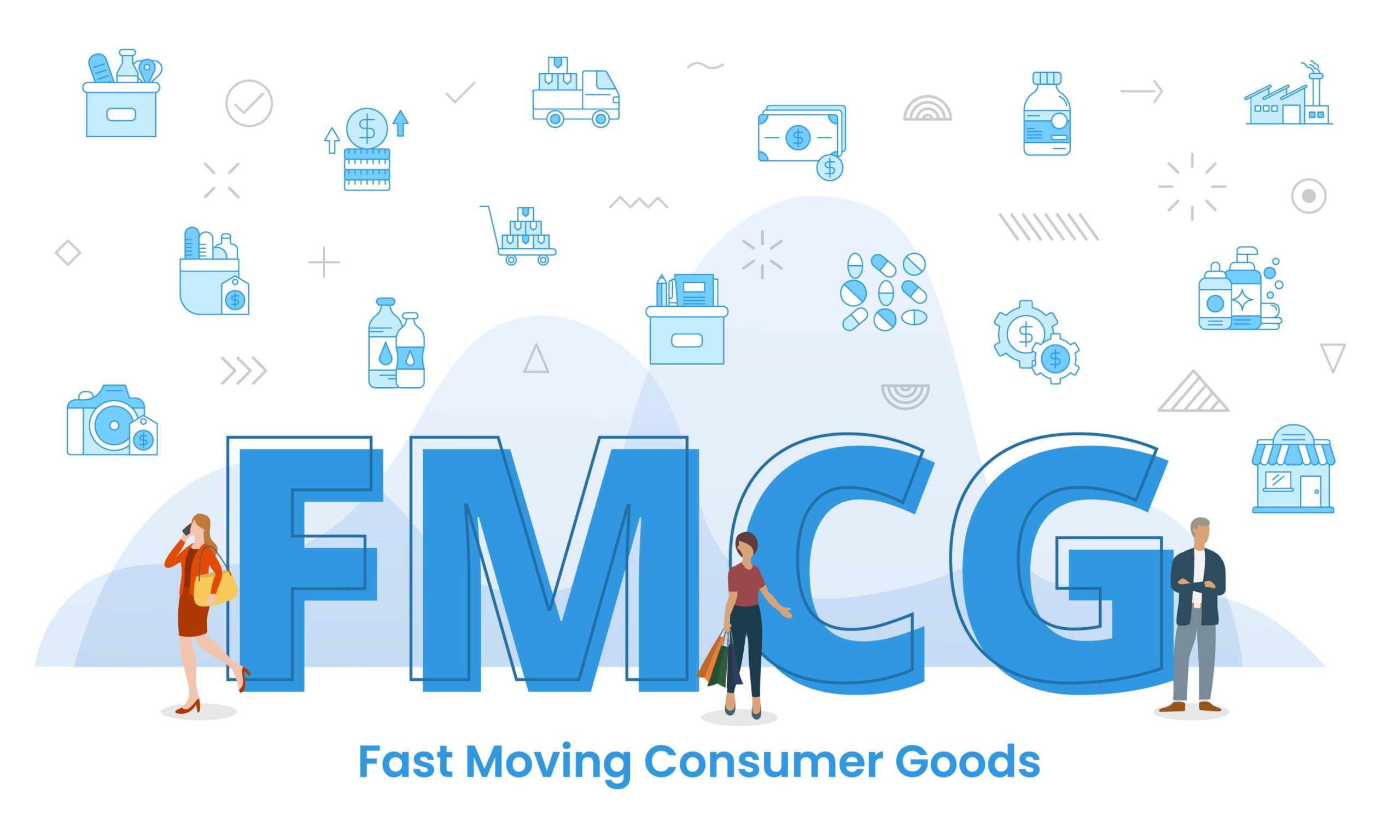
FMCG stands for Fast-Moving Consumer Goods. These are products that sell quickly, are consumed frequently, and are typically priced lower than durable goods.
This sector manufactures and distributes everyday essentials such as food, toiletries, medicines, and cleaning supplies. These products move fast because customers purchase them regularly.
The FMCG industry in India plays a critical role in today’s household consumption and retail growth, especially with increasing internet penetration and digital payments.
What Are the Types of FMCG?
FMCG products cover a wide range of daily essentials. Below are the most common types:
- Processed Food: Packaged snacks, ready-to-eat meals, and canned items that offer convenience.
- Prepared Meals: Instant noodles, frozen meals, and quick-cook food options.
- Beverages: Soft drinks, juices, packaged water, tea, and coffee.
- Baked Goods: Bread, biscuits, cakes, and other packaged bakery items.
- Fresh Food, Frozen Food & Dry Goods: Dairy, frozen vegetables, rice, pulses, and staples.
- Medicines: Over-the-counter drugs and health supplements.
- Cleaning Products: Detergents, dishwashing liquids, and disinfectants.
- Cosmetics & Toiletries: Soaps, shampoos, skincare products, and grooming essentials.
- Office Supplies: Everyday stationery and essential office-use items.
These categories drive consistent demand, making the FMCG industry in India an attractive option for online sellers.
What Is the Importance of the FMCG Industry for Indian eCommerce Sellers?
The growth of eCommerce in FMCG is reshaping how consumers shop. And that’s why it’s important for Indian online business owners to have a look.
Studies show that nearly 60% of FMCG companies consider eCommerce a critical platform for sales growth (Source: The Economic Times).
Here is why FMCG is important for online sellers:
-
Huge Market Size & Growth
The FMCG industry in India is expanding rapidly due to urbanisation, rising disposable income, and digital adoption. This creates consistent opportunities for online sellers.
-
Change in Consumer Behaviour
Customers increasingly prefer ordering groceries, essentials, and personal care items online for convenience and time savings.
-
Reach More People
Through eCommerce in FMCG, sellers can reach a wider audience, customers spanning across cities and even rural areas, without opening physical stores.
-
Data & Personalisation
Taking your business online opens doors to better data personalisation and targeted marketing. Online platforms allow sellers to track customer preferences, purchase frequency, and buying patterns. This data improves targeting and repeat sales.
-
Cost Efficiency
Digital selling reduces dependency on expensive retail spaces and allows better inventory management.
-
Omnichannel Strategies
Combining physical stores with online channels strengthens customer loyalty and improves fulfilment efficiency.
What Are the Key Challenges of Selling FMCG Online?
While the opportunity of selling FMCG online is huge and has many benefits, it also comes with operational challenges. These challenges can span from limited storage spaces to product shelf life concerns and more. Take a look:
- Limited Storage Space: FMCG products move fast, and managing stock in limited warehouse space can become difficult.
- Seasonality & Demand Variability: Certain products experience seasonal spikes, which makes forecasting demand more complex.
- Product Shelf Life & Fragility: Many FMCG goods have expiry dates or are fragile, requiring careful inventory management and proper delivery handling.
- Regulatory Compliance & Quality Control: FMCG sellers must comply with FSSAI guidelines, labelling standards, and safety norms to maintain trust.
When you properly understand the nuances of these barriers, you can better manage your inventory and overall business process.
How FMCG Brands Can Grow Faster Through eCommerce in India
To make your FMCG business a rolling success in the eCommerce space, you should think out of the box and go beyond simply listing products online.
Here are a few things you can do:
- Automate Admin Work: Adopting inventory software, automated billing, and real-time tracking improves work efficiency, so you can spend more time working on expanding your business.
- Shape Your Online Presence: Thriving in the digital space is now important for any business to grow. To make sure your brand is making the noise online, focus on clear packaging, consistent messaging, and an active social media presence to build customer trust.
- Focus on Customer Loyalty: You’ll find people more willing to shop at your store when you offer them something in return for their loyalty towards your business. Subscription models, repeat purchase reminders, and loyalty rewards can help increase customer retention.
- Enhance the Customer Experience: Customers today expect FMCG in the eCommerce space to deliver convenience and ease of ordering. Fast delivery, easy returns, and smooth checkout processes can enhance satisfaction.
- Dive into New Markets: Online channels enable FMCG brands to explore new regions without heavy infrastructure costs. So, ditch the anxiety of expanding to new markets.
Scale Your FMCG Business Online with Zopping!
Growing an FMCG business in the eCommerce space requires seamless coordination between inventory, orders, payments, and delivery. Zopping simplifies this process through an all-in-one, no-code eCommerce platform designed for Indian retailers.
With Zopping, you can:
- Launch a professional online store quickly without coding.
- Manage large product catalogues and SKUs from a central dashboard.
- Enable secure Indian payment options, including UPI, wallets, and cards.
- Track inventory in real time to avoid stockouts.
- Configure hyperlocal delivery for fast-moving products.
- Analyse sales data and customer behaviour for smarter decisions.
By integrating operations into one system, Zopping helps FMCG sellers reduce friction and scale confidently in the digital marketplace.
Conclusion
The FMCG industry in India continues to grow, and its entry into the eCommerce space is accelerating that expansion even further.
For online business owners, FMCG represents high demand, repeat purchases, and scalable opportunities. With the right digital tools, efficient inventory systems, and customer-focused strategies, you can build a strong and sustainable FMCG brand online.
Frequently Asked Questions (FAQs)
What does FMCG mean in eCommerce?
In eCommerce, FMCG refers to fast-moving consumer goods that are sold online through digital platforms. These include daily essentials such as food, toiletries, and cleaning products that customers purchase frequently.
Why is FMCG important for Indian eCommerce sellers?
FMCG is important for the Indian eCommerce sellers because it offers high demand, frequent repeat purchases, and strong market growth in India. The expansion of digital payments and logistics networks makes online FMCG selling increasingly profitable.
Which FMCG products sell best online in India?
Groceries, personal care products, health supplements, packaged snacks, and household cleaning items perform strongly due to consistent demand and convenience-driven purchasing behaviour.
Is FMCG a profitable category for online sellers?
Yes, FMCG can be profitable due to repeat purchases and volume-based sales. Profitability improves further when sellers optimise inventory turnover and reduce logistics costs.
What are the main challenges of selling FMCG online?
Key challenges of selling FMCG online include managing inventory before it expires, handling fragile goods, maintaining compliance, and forecasting demand accurately to avoid excess or insufficient stock.
Can small or D2C brands succeed in FMCG e-commerce?
Yes, small and D2C brands can succeed by focusing on niche products, strong branding, efficient fulfilment, and consistent customer engagement through digital channels.