

Quick Links
ToggleRunning a restaurant today involves much more than just cooking good food. Orders can arrive from dine-in tables, phone calls, websites, and delivery apps all at once, which makes managing them difficult during busy hours. In this blog, we will take a closer look at what a restaurant order management system is and how it helps restaurants handle these orders smoothly.
What Is a Restaurant Order Management System?
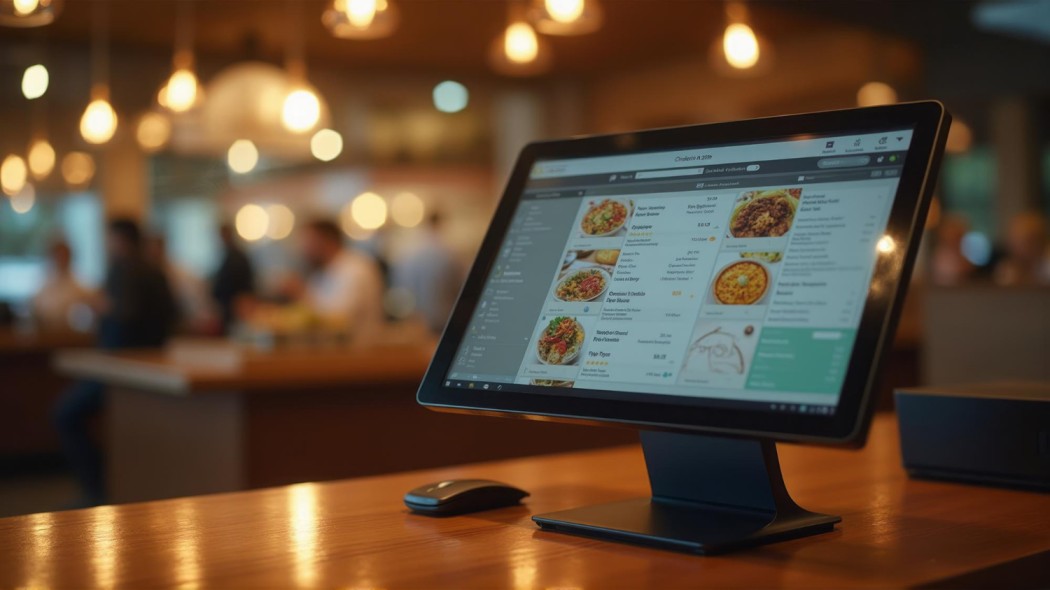
A restaurant order management system is software that helps restaurants collect, organise, and process customer orders through a single platform.
Instead of handling orders separately from different channels, the system brings everything into one interface. Staff can view new orders immediately and monitor their progress throughout the service process.
Once an order is received, it is sent directly to the kitchen display system or printer. The kitchen team can see the order details clearly and begin preparing the dish without waiting for manual instructions.
Because orders move digitally between teams, restaurants can maintain better coordination between the front desk, kitchen staff, and delivery operations. This structured flow helps reduce confusion during busy periods.
Why Restaurants Need an Order Management System
Restaurants operate in a fast paced environment where timing and accuracy are extremely important. A well organised system helps staff manage incoming orders without unnecessary delays.
-
Centralised Order Visibility
Restaurants may receive requests from the dining area, phone calls, online menus, and delivery platforms. Managing each of these channels separately often leads to confusion.
An order management system gathers all incoming orders into one dashboard. Staff can see what needs to be prepared, which orders are in progress, and which are ready for pickup or delivery.
This shared view helps different teams stay aligned throughout service.
-
Reduced Order Mistakes
Manual order taking sometimes leads to small but costly mistakes. A handwritten note may be unclear, or a customisation request might not reach the kitchen correctly.
With a digital system, order details appear exactly as entered. Item selections, quantities, and special instructions are displayed clearly for kitchen staff.
This reduces misunderstandings and helps ensure customers receive what they ordered.
-
Faster Kitchen Workflow
In busy restaurants, time lost between order taking and preparation can slow down service.
When orders are processed digitally, they appear instantly on the kitchen display. The kitchen team can begin preparation without waiting for staff to pass along information.
This faster workflow allows restaurants to serve customers more efficiently, especially during peak hours.
-
Improved Dining Experience
A smoother internal process often leads to a better experience for customers.
When orders move quickly through the system, waiting times become shorter. Clear communication between staff and kitchen teams also improves order accuracy.
Customers receive their meals sooner and with fewer mistakes, which naturally leads to greater satisfaction.
-
Smarter Inventory Monitoring
Tracking ingredients manually can be difficult, particularly in restaurants with large menus.
Many order management systems automatically adjust inventory levels as orders are processed. This helps restaurant owners monitor ingredient usage and identify when stock needs to be replenished.
Sales reports generated by the system can also reveal which menu items are most popular, allowing restaurants to plan purchasing more effectively.
-
Payment and Order Status in One System
Modern order management systems often include billing and payment tools within the same platform.
Staff can generate bills, accept digital payments, and update order status without switching between multiple systems. This helps simplify the checkout process.
For delivery orders, staff can also track the progress of each order from preparation to dispatch.
Key Features of a Restaurant Order Management System
Restaurant order management systems usually include several features that support day to day operations.
-
Recipe and Production Management
This feature allows restaurants to document recipes and preparation instructions for each menu item.
Ingredient quantities and cooking steps are stored in one place, helping kitchens maintain consistency in how dishes are prepared.
It also helps estimate ingredient usage more accurately during service.
-
Customer Relationship Management (CRM)
Some systems include a built in CRM that stores customer details such as order history and preferences.
Restaurants can use this information to identify repeat customers, understand ordering patterns, and offer targeted promotions.
These insights can help strengthen long term customer relationships.
-
Kitchen Display System (KDS)
A kitchen display system replaces paper order slips with digital screens placed inside the kitchen.
Orders appear on the display with preparation details and timing information. Kitchen staff can see what needs to be prepared and prioritise tasks accordingly.
This digital workflow helps maintain better organisation during busy service periods.
-
QR Code Ordering
QR code ordering allows customers to scan a code and access the restaurant’s menu on their phone.
They can browse items, select their order, and submit it directly through the system. This reduces the need for manual order taking and speeds up the ordering process.
For many restaurants, QR ordering also helps reduce staff workload during peak hours.
How a Restaurant Online Order Management System Works
Most restaurant order management systems follow a straightforward workflow.
-
Order Reception
The system collects orders from different sources such as the restaurant website, mobile app, QR code menu, or delivery platforms.
-
Order Processing
Once received, the order appears in the dashboard and is sent directly to the kitchen display or order printer.
-
Order Fulfillment
The kitchen prepares the dishes according to the instructions displayed in the system.
-
Order Tracking
The system updates the order status so staff and customers can see whether it is being prepared or ready.
-
Delivery Management
For delivery requests, the system helps assign drivers and track the order until it reaches the customer.
How to Choose the Right Restaurant Order Management System
Selecting the right system depends on the needs of your restaurant.
Start by identifying the areas you want to improve. Some restaurants focus on reducing order errors, while others want better inventory tracking or delivery management.
Next, consider which features are essential for your operations. Online ordering, kitchen displays, payment integration, and inventory monitoring are common priorities.
It is also important to check whether the system integrates with tools you already use, such as payment gateways or delivery platforms.
Finally, choose a solution that staff can learn easily and that fits within your budget. A system that supports future growth can also be helpful if your restaurant expands.
How Zopping Supports Restaurant Order Management
Zopping supports restaurant order management through features such as:
-
Kitchen Friendly Order Flow
Orders move directly to the kitchen system so staff can begin preparing dishes quickly.
-
Unified Kitchen Dashboard
All incoming orders appear in one dashboard, making it easier for staff to monitor and manage them.
-
Built In Delivery Management
Restaurants can manage delivery orders and assign drivers from the same platform.
-
Stock Synced Menu Items
Menu items can be connected to inventory levels. If an ingredient runs out, the menu can update automatically to prevent unavailable orders.
Explore the Zopping Order Management System and get in touch with our team today for more information.
Closing Thoughts
Restaurants today handle orders from several channels, and keeping everything organised can be challenging without the right tools.
A restaurant order management system helps streamline the entire process by connecting order intake, kitchen preparation, billing, and delivery tracking. With better coordination between teams, restaurants can improve service speed, reduce mistakes, and manage daily operations more smoothly.