
Quick Links
ToggleIf you are planning to start a food business without investing in a dine-in space, cloud kitchens probably sound tempting. Lower rent, fewer staff, and app-based orders make the model look simple on paper. But is it actually profitable in India once you factor in platform commissions, packaging costs, and marketing spends? In this blog, we will break down the real costs, profit margins, and ground reality so you can decide if a cloud kitchen is worth your investment.
What Is a Cloud Kitchen?
A cloud kitchen is a food business that prepares meals only for delivery or takeaway, without offering dine-in seating. These kitchens operate through online ordering platforms and food delivery apps, allowing restaurants or food brands to serve customers without investing in expensive storefronts or prime locations. Because the focus stays on cooking and delivery logistics, cloud kitchens can run with lower overhead costs, flexible menus, and faster scalability. Many brands even operate multiple cuisines from the same kitchen space, making it a practical and cost-efficient model for today’s delivery-driven food industry.
Are Cloud Kitchens Profitable in India?
Short answer. Yes, they can be very profitable. But only if you run them smartly. Cloud kitchens work on a completely different cost structure compared to traditional restaurants. You are not paying for fancy interiors, service staff, or high street rent. Your entire focus stays on food production and delivery. Because of this, margins are usually higher.
Most cloud kitchens in India operate at around 15 to 25 percent profit margins, while traditional restaurants often stay between 5 to 15 percent. Lower overheads make a huge difference here. But this does not mean every cloud kitchen prints money.
The model is scalable and many brands recover their initial investment within 6 to 12 months. At the same time, the risk is real. Nearly 25 to 30 percent of cloud kitchens shut down within their first year. Competition is intense and survival depends on consistent orders, strong branding, and tight cost control.
Another factor you cannot ignore is delivery platform commission. Apps like Swiggy and Zomato usually take 20 to 30 percent per order. If your pricing or packaging costs are not optimised, your margins shrink fast.
So yes, profitable. But only when operations are efficient and order volume stays high. Here’s a profitability breakdown that can help you understand more:
- Expected Margins: 15% to 35% with well-optimised operations.
- Break-even Timeline: Usually achieved within 6 to 12 months.
- Revenue Potential: Strong if the unit capitalises on India’s growing appetite for online food delivery, especially in metro and tier-1 cities.
Key Factors That Influence Profitability
Here are some of the key factors that influence profitability in a cloud kitchen:
-
Lower Overheads
Running a delivery-only kitchen means skipping costs like hiring front-of-house staff, renting a premium location, or investing in fancy interiors. This setup keeps the operational expenses low and makes it easier to break even faster.
-
High Dependency on Delivery Platforms
Most cloud kitchens rely heavily on platforms like Zomato and Swiggy for orders. While these apps offer visibility, the commissions they charge can eat into your profits. Maintaining strong margins becomes a challenge unless you have direct repeat customers or alternate order channels.
-
Operational Efficiency
The most successful setups are those that keep things simple. A focused menu with a few high-demand items, like pizzas or burgers, is easier to prepare in large volumes. This approach helps reduce waste, save time, and maintain consistent quality.
-
Marketing and Visibility
Since cloud kitchens don’t benefit from walk-in customers or street-side visibility, online marketing becomes crucial. You need to invest in sponsored listings, app discounts, and digital campaigns to stay visible and drive orders consistently.
-
Higher Risk Due to Limited Team
Most operations run with a small team, which can be both a strength and a risk. If your main chef or operations lead is unavailable, it can cause delays or inconsistencies. The competition is also tough, and one bad review can impact your ranking on delivery apps.
How to Increase Cloud Kitchen Profits
Here are few smart tips that can help with increasing cloud kitchen profits:
-
Optimise Menu Engineering
A smart way to boost your profits is by fine-tuning your menu. Look at the numbers regularly to figure out which items are both popular and profitable. Keep the best-sellers and drop the underperformers that eat into your inventory or go to waste. This helps you save on ingredients, simplify kitchen processes, and give customers what they truly enjoy. A lean and high-margin menu is easier to manage and turns over faster.
-
Build Direct Ordering Channels
Relying only on Zomato or Swiggy can be expensive. Their commissions can take away 15 to 30 percent of your revenue. Instead, set up your own website or mobile app where customers can place orders directly. You’ll save on commission costs, have more control over the user experience, and even build customer loyalty with direct offers or loyalty points. Add QR codes, promote the link through packaging, and use WhatsApp or SMS marketing to drive traffic.
-
Streamline Operations
Running a cloud kitchen is all about doing more with less. Use a reliable Point of Sale (POS) system to manage inventory, track order flow, and handle shift timings smoothly. This helps you avoid food waste, stay on top of raw material use, and ensure your kitchen runs like a machine during rush hours. Less confusion in the back kitchen means faster prep time and better customer reviews.
-
Leverage Data Analytics
Cloud kitchens have access to a ton of data so it makes sense to use it. Keep an eye on peak order times, repeat customer habits, low-performing items, and ratings. This information helps you make smarter decisions about what to sell, when to push offers, and how to segment your customers for targeted campaigns. Even simple Excel tracking can uncover patterns that help with both marketing and inventory planning.
-
Strategic Marketing
Without a shopfront, your visibility comes from the internet. Focus on social media presence, Google ads, and SEO so people find you when they’re hungry. On delivery platforms, invest in banner ads, run discount offers, or bundle meals to increase your average order value. Posting reels of food preparation or behind-the-scenes shots also builds trust and helps people remember your brand.
-
Cost Control
Reducing costs is just as important as increasing sales. You can negotiate bulk prices with suppliers, try seasonal ingredients, or even partner with local vendors. On the packaging side, find options that are sturdy but affordable. Branded yet cost-efficient packaging helps you cut costs without looking cheap. Every rupee saved per order adds up over hundreds of deliveries each week.
-
Targeted Expansion
Instead of opening multiple kitchens, consider launching multiple virtual brands from the same kitchen space. For example, one kitchen could serve North Indian meals, wraps, and Chinese combos under different names. This helps you reach more people, test new cuisines, and get better returns on your fixed kitchen costs. If one brand slows down, others keep the kitchen running and staff engaged.
How Zopping Helps Cloud Kitchens
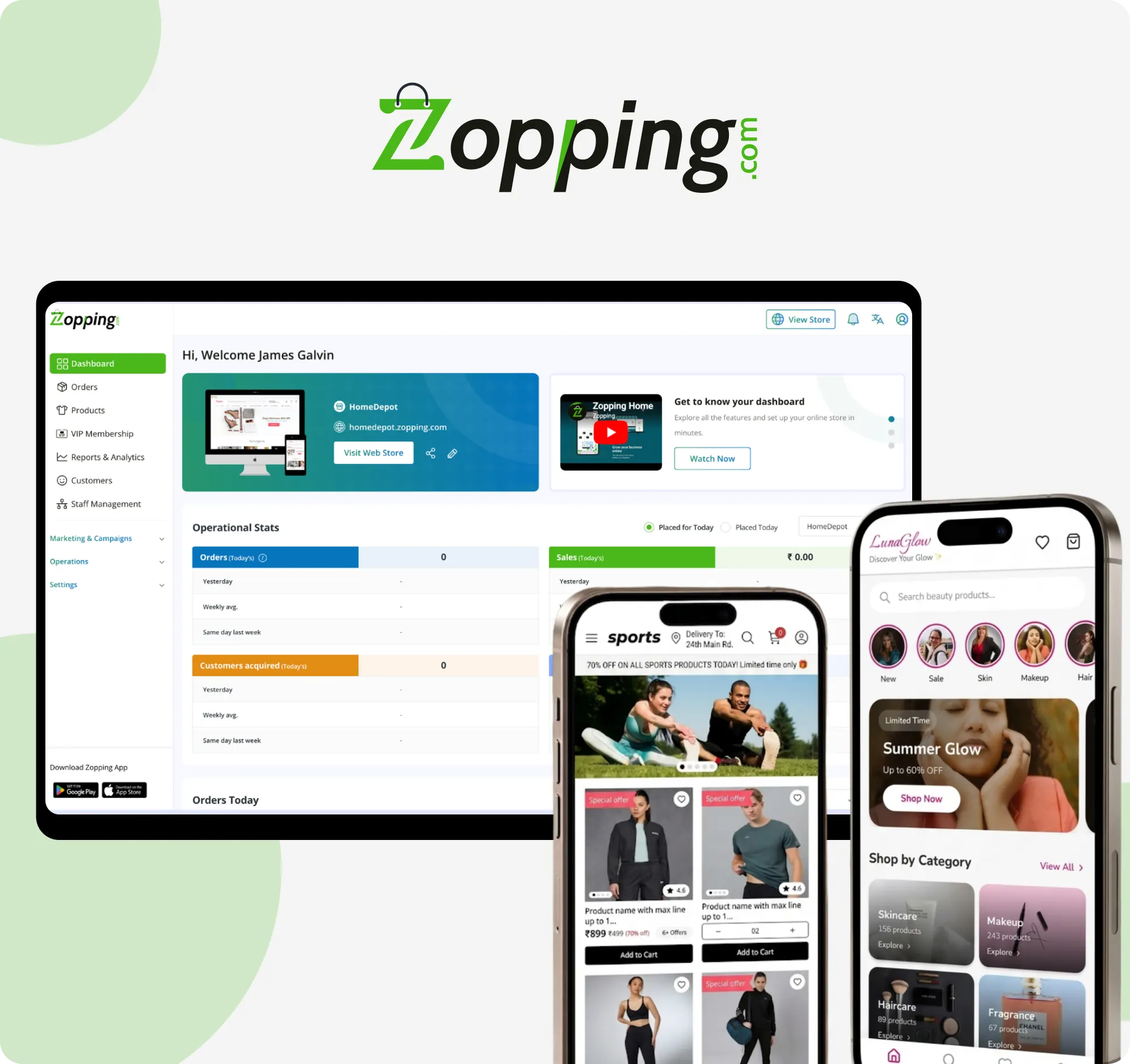
Zopping supports cloud kitchens by bringing all key operations into one simple dashboard. Instead of switching between different apps, kitchen owners can manage online orders from their website in one place, track billing, and connect directly with kitchen display systems. It also comes with delivery tracking and rider performance insights, making it easier to reduce delays and keep customers in the loop. On the backend, Zopping helps maintain real-time inventory visibility, sends alerts for low stock, and prevents wastage. This all-in-one setup reduces daily stress, saves time, and helps cloud kitchens stay consistent while growing their brand.
Book a free demo today and see how Zopping can streamline your cloud kitchen operations.
Closing Thoughts
Cloud kitchens can be profitable in India, but they are not a shortcut to easy money. The lower setup cost and delivery-first model definitely improve your chances of earning better margins compared to traditional restaurants. At the same time, commissions, marketing spends, and operational discipline play a huge role in determining your actual profits. If you plan your menu well, control costs tightly, and build repeat demand beyond aggregator apps, the model can scale fast and recover investments quicker than expected. Like any food business, success comes down to consistency, smart decisions, and how well you adapt to customer demand.