
Quick Links
ToggleRunning a local grocery store in India comes with its own set of challenges, especially when it comes to handling deliveries. As demand for home delivery keeps rising, you might feel the pressure to grow your delivery service. But hiring more staff isn’t always practical or affordable. The good news is, there are smarter ways to scale up without expanding your team. In this blog, we’ll take a look at how local grocery stores can manage and scale their delivery operations more efficiently without hiring more people.
What Are the Challenges in Scaling Deliveries for Local Grocery Stores?
When you try to scale up deliveries, things can get tricky fast. Here’s where many local stores run into trouble:
-
Manual Dispatching
If you’re still managing deliveries through phone calls, WhatsApp messages, or notebooks, things can get messy fast. Manual dispatching takes time and leaves plenty of room for mistakes. Orders can easily get missed, delayed, or sent to the wrong address. Without a proper system, it becomes tough to track which rider is delivering what, making coordination harder as your order volume grows.
-
Inefficient Routes
Without a smart system in place, delivery routes are often planned on the fly. That means riders might end up taking longer, less efficient paths, wasting fuel and time. A 3-km delivery could turn into a 6-km ride just because no one optimised the route. This not only eats into your margins but also affects how quickly you can fulfil more orders.
-
Unpredictable Demand
Some days are quiet, and some days your phone doesn’t stop ringing. This kind of inconsistency makes it hard to plan ahead. You might have too many idle riders on one day and not enough to handle peak orders on another. Without proper forecasting tools or flexible systems, it becomes a daily game of guesswork.
-
Rising Customer Expectations
Today’s customer wants instant updates, fast delivery, and no missing items. They’re used to apps like Blinkit or Instamart, so they expect the same level of service from your local store too. If your delivery system feels clunky or unreliable, customers won’t think twice before switching to an app that gives them what they want in 10 minutes.
-
More Riders ≠ Better Results
It’s a common myth that hiring more delivery partners will fix everything. But if your system is flawed, throwing more people into the mix can actually make things worse. You’ll have higher costs but still face delays and errors.
So What’s The Root Cause?
The truth is, most delivery challenges arise from not having the right technology in place. When your dispatching, route planning, and tracking are all done manually, scaling becomes nearly impossible. What local stores need is a streamlined delivery management system that automates these processes, uses real-time data, and reduces manual errors. With the right tools, even a small store can handle large-scale deliveries smoothly.
How to Scale Deliveries Without Hiring More Staff
Running a delivery operation can get overwhelming as your orders grow. But hiring more staff isn’t always the answer. With the right systems in place, you can scale your deliveries while keeping your team size the same. Here’s how:
-
Automate Operations
Start by automating the repetitive stuff. Use delivery management tools that handle auto-dispatch, group similar orders together (batching), and plan the best routes. This helps you get more done with the same team, and it cuts down delays and errors.
-
Integrate Delivery Partners
Don’t rely only on your own delivery fleet. You can work with third-party providers and manage everything from one dashboard. That way, whether it’s your staff or a gig worker delivering the order, the customer experience stays smooth.
-
Manage Zones and Time Slots
Not every area needs to be served all the time. Divide your delivery zones smartly and schedule time slots based on demand. This helps you avoid sending riders too far or during low-order hours. As a result, your team stays efficient and idle time goes down.
-
Use Micro-fulfilment and Dark Stores
Keep fast-moving items in smaller storage spaces close to where your customers are. These could be your own mini-stores or “dark stores” that are only for online orders. This cuts delivery times and eases pressure on your main store.
-
Improve Staff Productivity
Your existing team can do more if they’re trained across roles. Cross-train them to handle both picking and packing. Also, use performance data to track where time is being lost and which processes can be tightened. This small step can lead to a big boost in output.
Ready to take your grocery store online?
Check out our guide on how to start an online grocery store in India with Zopping.
How Zopping Helps Local Grocers Scale Without New Hires
Zopping is built to support grocery businesses like yours that want to grow smartly. Here’s how it helps you scale without constantly expanding your team:
-
Centralised Management
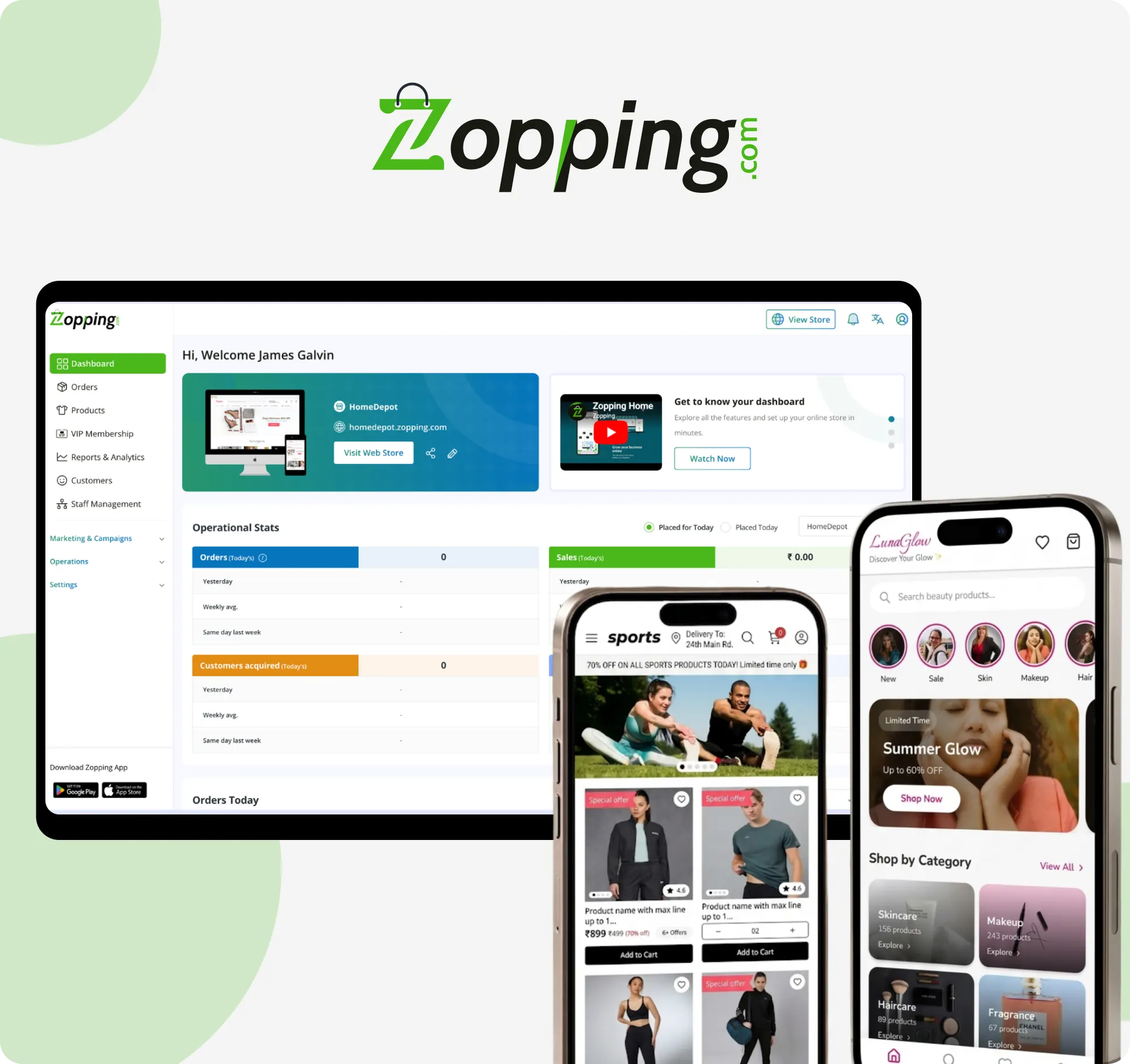
Zopping brings end-to-end order management under one roof. Whether it’s order flow, inventory, or delivery updates, you can control it all from a single dashboard. No more jumping between systems or losing time on manual checks.
-
Seamless Delivery Partner Integration
Zopping lets you manage your in-house and third-party fleets from one place. Assigning orders becomes quicker, and tracking deliveries gets much easier, helping you maintain consistency and reduce missed deliveries.
-
Optimised Routes and Time Slots
With smart route planning and time slot management, Zopping ensures your deliveries follow the shortest, most efficient paths. Your team can complete more orders with less travel and less hassle.
-
Hyperlocal Fulfilment and Dark Store Support
With Zopping you can set up smaller fulfilment hubs or dark stores in key areas close to your customers. These locations let you stock your fastest-moving products nearby, which means you can deliver more quickly and reduce travel for your team. Zopping helps you do this by syncing stock across all locations in real time, routing orders to the nearest fulfilment centre, and keeping everything under one dashboard.
-
Data-Driven Insights
Zopping gives you insights into what’s working and what’s not. You can track team productivity, delivery performance, and customer preferences, all in one place.
Benefits of Scaling with Zopping
Here are the benefits of scaling your business with Zopping:
- Delivery costs go down while rider productivity goes up, as your team spends less time on manual coordination and more time actually delivering.
- Orders reach customers faster and on time, with smart route planning and batching that keeps delays to a minimum.
- Customers stay in the loop with real-time tracking, which builds trust and reduces complaints or support queries.
- You can grow your delivery volume without hiring more staff, simply by using automation, better planning, and third-party support when needed.
- Zopping gives you full control and clarity over your delivery operations, helping you spot what’s working and where you’re earning more.
Example:
One local grocery store started using Zopping to manage its deliveries. Instead of hiring more staff, they automated their dispatch system, stocked fast-moving items in a nearby dark store, and brought in a third-party delivery partner during peak hours. Within just a few months, they were handling almost twice the number of daily orders without expanding their team. It helped them save time, reduce costs, and keep customers happy with faster deliveries.
Quick Implementation Roadmap
-
Step 1: Map Your Current Delivery Operations
Start by taking a close look at how your delivery system works right now. Make a list of how orders come in, how they’re packed, and how they reach your customers. Pay attention to areas where things tend to slow down. Maybe your dispatching takes too long, delivery routes aren’t efficient, or your staff ends up waiting around with nothing to do. Getting a clear picture of what’s happening will help you fix what’s not working.
-
Step 2: Bring In Zopping to Automate the Flow
Once you know where the gaps are, plug them with smart tools. Zopping helps you automate the key steps. It can assign orders automatically, plan better routes, and let you track deliveries in real time. Whether you have your own team or work with external partners, Zopping brings everyone into one system so you don’t have to juggle between apps and calls.
-
Step 3: Set Up Delivery Zones and Time Slots
Don’t try to fix everything at once. Start with a small, manageable area. Break your service region into delivery zones and offer clear time slots for customers to choose from. This way, you can group similar orders together and cut down on travel time. It also makes things easier for your riders, who can stick to familiar routes.
-
Step 4: Track Your Progress and Scale Smartly
Keep an eye on performance through Zopping’s built-in analytics. Track delivery speed, on-time rates, and overall costs. Use these insights to see what’s working well and where you can still improve. Once you have a steady rhythm and consistent performance, start scaling gradually. You can add new delivery areas, bring in more riders, or introduce additional time slots. This steady growth approach keeps your operations smooth and sustainable.
Closing Thoughts
Scaling deliveries doesn’t have to mean hiring a bigger team or burning through your profits. With the right system in place, even a small local grocery store can handle large volumes smoothly. Automation, route optimisation, and smart zone management can turn everyday chaos into a steady, predictable process. Zopping makes this shift simple by giving you all the tools to manage, monitor, and grow from one place. When technology takes care of the complicated stuff, your team can focus on delivering fresh groceries and great service to every customer.