
Quick Links
ToggleRunning an online store sounds simple until inventory starts getting messy. One product sells out too fast, another just sits there, and suddenly you are juggling stock, orders, and returns all at once.
That is exactly where inventory management comes in. In this blog, we are going to look at what eCommerce inventory management really means, what goes into it, the common problems businesses face, and how you can handle it better as you grow.
What is Ecommerce Inventory Management?
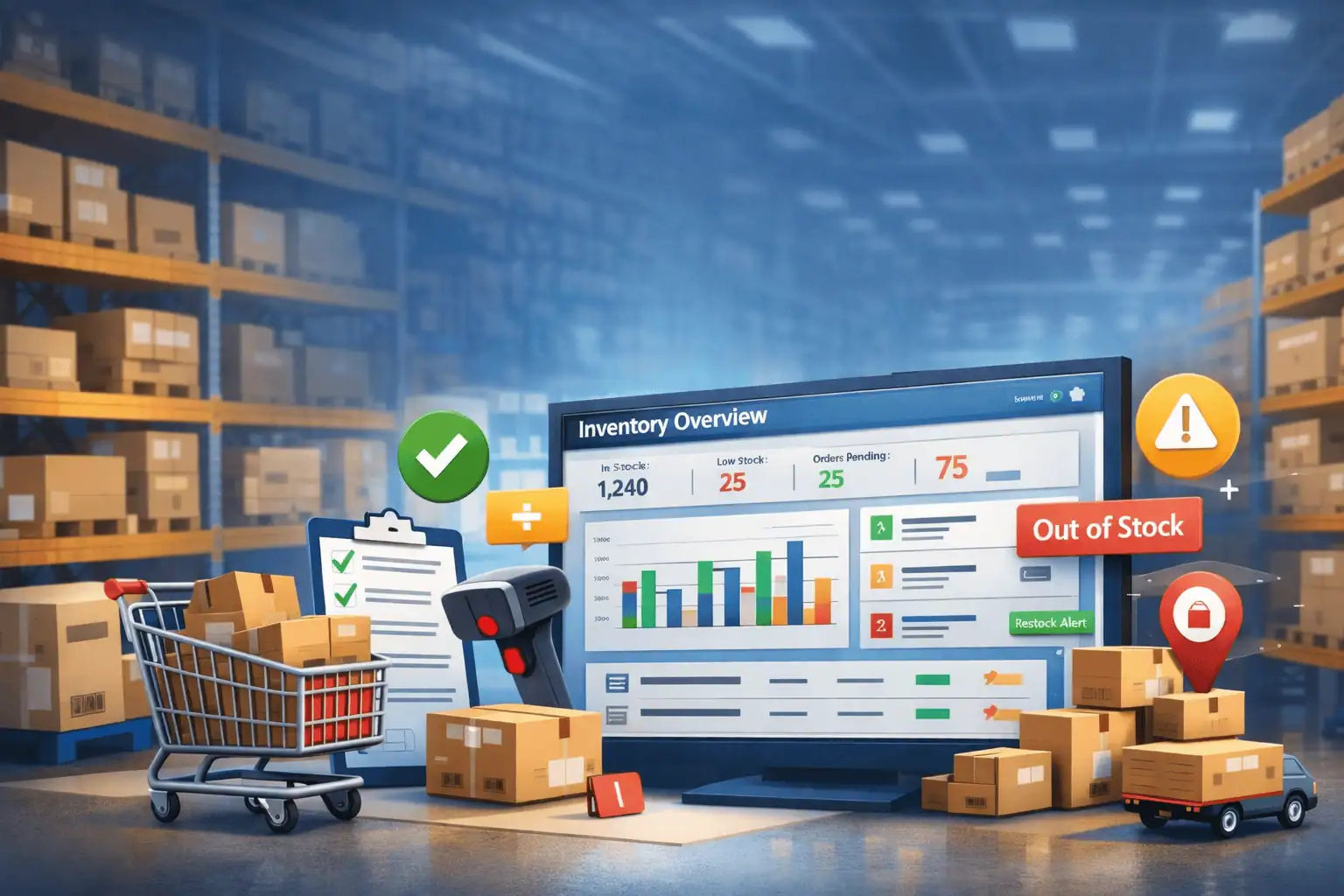
Ecommerce inventory management is the process of tracking, organising, and controlling your stock across your online store. It covers everything from knowing how much inventory you have to managing orders, returns, and restocking. The goal is simple. You want to make sure products are available when customers want them, without overloading your storage or locking up too much cash in unsold items. When done right, it helps you avoid overselling, reduces waste, and keeps your operations running smoothly without last-minute surprises.
Core Components of an Inventory Management System
Here’s a closer, in-depth look at the core components of an inventory management system:
-
Stock Tracking
At the heart of everything is knowing your numbers. Stock tracking helps you monitor how many units you have in real time. It updates as soon as a product is sold, returned, or restocked. Without this, you are basically guessing, and that is where mistakes begin.
-
Order Management
Every order that comes in needs to be processed correctly. Order management ensures that items are picked, packed, and shipped without delays. It also connects directly with your inventory so stock levels adjust automatically.
-
Reordering Tools
Running out of stock can hurt your sales. Reordering tools help you avoid that by setting minimum stock levels and alerts. Once your inventory drops to a certain point, the system reminds you to restock before it becomes a problem.
-
Warehouse Organization
Even if your inventory numbers are correct, poor organisation can slow you down. A structured warehouse layout helps you locate products quickly, reduce picking errors, and speed up order fulfilment.
Read More : What is Warehouse and Inventory Management in E-Commerce?
-
Demand Forecasting
This is where data starts to matter. Demand forecasting uses past sales and trends to estimate what you will need in the future. It helps you prepare for seasonal spikes or slow periods so you are not caught off guard.
-
Multichannel Syncing
If you sell across multiple platforms, keeping stock in sync is critical. Multichannel syncing ensures that when a product is sold on one platform, the stock updates everywhere. This prevents overselling and confusion.
-
Reporting and Analytics
Numbers tell the real story. Reporting tools help you understand what is selling, what is not, and where your money is getting stuck. These insights help you make better decisions over time.
Challenges in eCommerce Inventory Management
Here’s a closer look at the challenges of eCommerce inventory management:
-
Poor Stock Visibility
Not having a clear picture of your inventory can create constant confusion. You might think a product is available when it is not, leading to cancelled orders and unhappy customers.
-
Overstocking or Running Out
Holding too much stock ties up your money. Running out means missed sales. Finding the balance is not easy, especially when demand keeps changing.
-
Unpredictable Supplier Timelines
Suppliers do not always deliver on time. Delays can affect your ability to restock, especially during peak seasons when demand is already high.
-
Limited Storage
As your business grows, space becomes a real issue. Managing more products without proper storage planning can lead to clutter and inefficiencies.
-
High Return Rates
Returns are part of eCommerce, but they complicate inventory tracking. Products come back, need inspection, and must be added back into stock correctly.
-
Scaling Difficulties
What works for a small store may not work when you start handling hundreds or thousands of orders. Systems that are not built for growth often break down under pressure.
Ecommerce Inventory Management Methods
Here’s an in-depth look at the eCommerce inventory management methods:
-
First In, First Out (FIFO)
This method ensures that older stock is sold first. It is especially useful for products with expiry dates or items that can lose value over time.
-
Just-in-Time Inventory Control
With this approach, you keep minimal stock and reorder only when needed. It reduces storage costs but requires reliable suppliers and accurate demand planning.
-
Just-in-Case Inventory Control
This is the opposite of just-in-time. You maintain extra stock to handle unexpected demand or supply delays. It offers safety but increases holding costs.
-
Third-Party Logistics (3PL)
In this setup, a third-party company manages your storage, packing, and shipping. It can save time and effort, especially when your order volume grows.
-
Dropshipping
Here, you do not hold inventory at all. When a customer places an order, the supplier ships the product directly. It reduces upfront investment but gives you less control over quality and delivery.
Read More : How to Start a Dropshipping Business in India? Step-by-step Guide
eCommerce Inventory Management Best Practices
To manage eCommerce inventory better, here is what you can follow:
-
Implement Real-Time eCommerce Inventory Tracking
Always work with real-time data. This reduces errors and helps you make quick decisions when stock levels change.
-
Forecast Demand at SKU Level, Not Category Level
Looking at broad categories is not enough. Track demand for individual products so you can plan more accurately.
-
Align Marketing Spend With Stock Availability
There is no point in pushing ads for products that are about to run out. Match your marketing efforts with available stock to avoid wasted spend.
-
Monitor Sell-Through Rate and Contribution Margin Together
Do not just look at how fast a product sells. Understand how much profit it brings in. This helps you focus on products that actually add value to your business.
-
Automate Reporting and Cross-Team Visibility
Manual tracking slows everything down. Automated reports and shared dashboards help your team stay on the same page without constant follow-ups.
How Zopping Helps Businesses Manage Ecommerce Inventory Efficiently
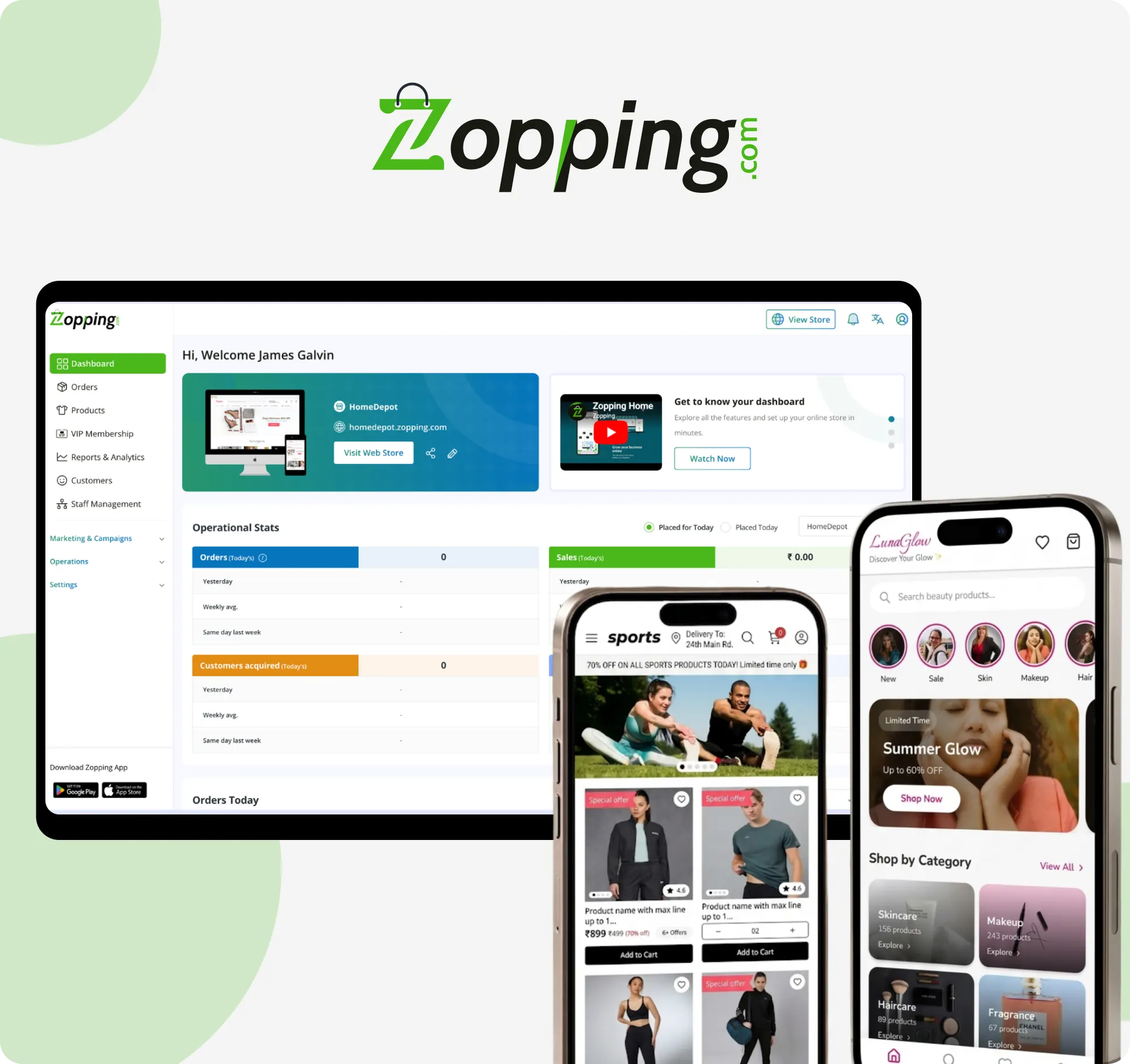
Managing inventory manually or across disconnected tools can quickly become overwhelming. This is where a platform like Zopping fits in. It is built to simplify how you handle products, stock, and catalog management from one place.
Here is how it helps:
-
Seamless Bulk Product Import
You can move your entire product catalog in one go. Instead of uploading products one by one, bulk import lets you set up your store faster and with fewer errors.
-
Smart Product Categorization
Products can be organised using categories, subcategories, tags, and brand filters. This makes navigation easier for both your team and your customers.
-
Manage Product Variants
Handling different sizes, materials, or pricing options becomes simpler. You can manage all variants in one place without creating confusion in your catalog.
-
Automated Inventory Updates
Stock levels update automatically as orders come in. You also get alerts when inventory runs low, so you can restock on time without manual checks.
-
Flexible Weight-Based Selling
If you sell products by weight, the platform supports flexible pricing and real-time billing. This is useful for businesses dealing with loose or variable-weight items.
If you want to explore how this works for your business, you can take a closer look here.
Closing Thoughts
Inventory management is not just about counting products. It is about keeping your entire operation in balance. When your stock, orders, and data are aligned, everything runs smoother.
As your business grows, the way you manage inventory needs to evolve too. Simple methods might work in the beginning, but eventually you need systems that can keep up with your scale. Getting this right early can save you a lot of stress later.
FAQs
What is ecommerce inventory management?
It is the process of tracking, storing, and controlling products in an online business. It helps you know what you have in stock, what is selling, and when to restock.
Why is inventory management important for ecommerce businesses?
It helps prevent stockouts, reduces excess inventory, improves order fulfilment, and keeps customers satisfied. Without it, errors and delays become common.
How do small businesses manage ecommerce inventory?
Many start with simple tools like spreadsheets or basic software. As they grow, they move to automated systems that offer real-time tracking and better control.
What tools help automate inventory management?
Platforms like Zopping help automate stock tracking, product management, and reporting, making it easier to handle operations without manual effort.
What is the best inventory method for online stores?
There is no single answer. FIFO works well for perishable goods, while just-in-time suits businesses with reliable suppliers. The right method depends on your product type and scale.