
Quick Links
ToggleSetting up an online pharmacy in India is no longer a far-fetched idea. With more people ordering medicines from their phones, the demand has grown quietly but steadily over the past few years. What used to be limited to neighbourhood chemists is now moving toward doorstep delivery, app-based ordering, and digital prescriptions.
If you are thinking about starting something in this space, you are not alone. Many small pharmacy owners, entrepreneurs, and even existing retailers are exploring this shift.
In this blog, we will take a look at how online pharmacies work, the different types you can build, and the exact steps you can follow to get started with home delivery in India.
Types of Online Medical Stores in India
Before you jump into building anything, it helps to understand the different ways online pharmacies operate. Not every model works the same way, and your approach will depend on what you want to achieve.
-
OTC Medicine Stores – Pharmacies
These stores mainly sell over-the-counter medicines. These are products that do not require a doctor’s prescription, such as pain relief tablets, vitamins, and basic healthcare items.
This is often the easiest starting point because the regulations are lighter compared to prescription medicines. Many small pharmacies begin here before expanding further.
-
General Medicine Brands
These are full-scale online pharmacies that sell both OTC and prescription medicines. They usually operate with proper licenses, registered pharmacists, and strict verification systems for prescriptions.
This model requires more planning but also gives you a wider customer base.
-
Ayurveda and Naturopathy Outlets
These stores focus on herbal, ayurvedic, and natural remedies. The demand for these products has increased, especially among people looking for alternative or long-term wellness solutions.
The regulatory requirements may differ slightly, but quality control and sourcing still matter a lot.
-
Hyperlocal Medicine Delivery
This model connects nearby pharmacies with customers in the same area. Orders are fulfilled quickly, often within a few hours.
If you already run a local medical store, this can be a practical way to expand without setting up a large supply chain.
How to Sell Medicines Online Using E-commerce Websites or Marketplaces
Now let’s break down the actual process. Starting an online pharmacy is not just about creating a website. It involves compliance, logistics, and trust.
Step 1: Understand Legal Requirements and Licensing
You cannot sell medicines online without proper approvals. In India, this usually includes a drug license issued under the Drugs and Cosmetics Act, along with GST registration.
You also need a registered pharmacist to handle prescription validation. On top of that, your business must follow guidelines related to storage, labeling, and sale of medicines.
It is always better to consult a legal expert or regulatory consultant at this stage to avoid issues later.
Step 2: Choose the Right Business Model
Before building anything, decide how you want to operate.
-
Full-fledged Pharmacy
You own the inventory, manage storage, and handle delivery. This gives you more control over quality and pricing, but also requires more effort and investment.
-
Marketplace Model
You act as a platform that connects buyers with licensed sellers. In this case, inventory may not be held by you directly.
This model reduces operational load but comes with its own challenges, especially around coordination and quality checks.
Step 3: Build Your Online Pharmacy Platform
This is where things start taking shape. You need a website or app where customers can browse medicines, upload prescriptions, and place orders.
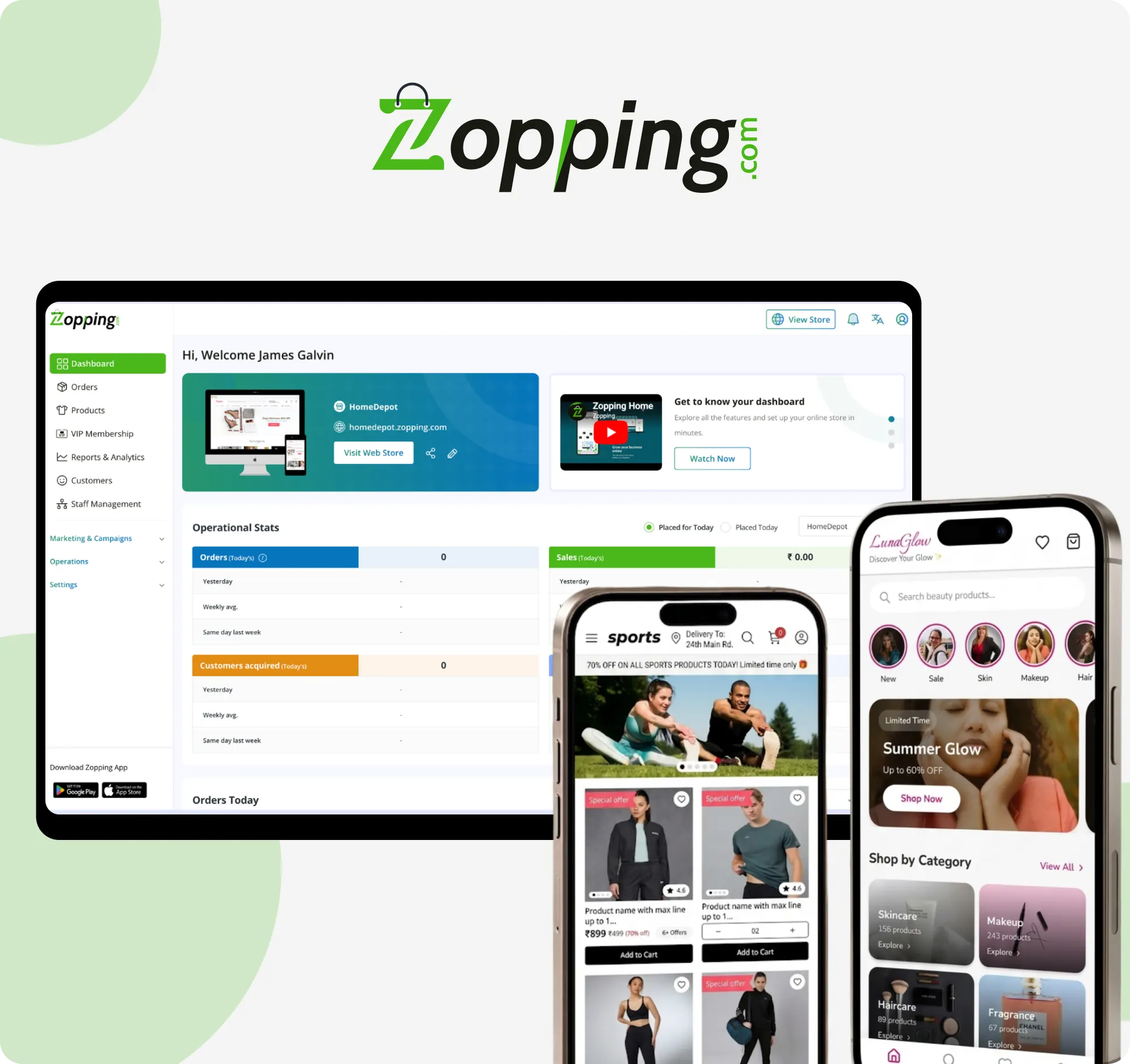
Instead of building everything from scratch, many businesses now use no-code platforms like Zopping.
With Zopping, you can set up your online pharmacy without technical knowledge. It offers ready-made themes that you can customise based on your brand. You can list products, manage inventory, and start selling without going through a long development process.
It also supports features that are important for pharmacies, like easy product categorisation, mobile-friendly design, and smooth checkout experiences. This makes it easier for customers to place orders without confusion.
There is also another approach. You can list your products on existing pharmacy marketplaces. This helps you get visibility quickly, especially in the early stages.
But there is a trade-off. Most marketplaces charge commission fees, which can reduce your profit margins over time. You also have less control over branding and customer relationships.
That is why many sellers eventually move to their own platform once they are ready.
Find the right e-commerce platform to power your business in India!
Try Zopping NowStep 4: Source Medicines and Manage Suppliers
Your supply chain needs to be reliable. You can source medicines directly from authorised distributors, manufacturers, or wholesalers.
Make sure all products are genuine and properly documented. Quality issues in this business can lead to serious consequences, so this is not something you can overlook.
Step 5: Inventory and Storage Management
Medicines require proper storage conditions. Temperature, humidity, and shelf life all matter.
You need a system to track stock levels, expiry dates, and movement of products. This helps avoid wastage and ensures that customers always receive fresh and safe medicines.
Step 6: Pricing Strategy and Offers
Pricing plays a big role in attracting customers. Many people compare prices across platforms before buying.
You can offer discounts, bundle deals, or subscription options for regular medicines. But at the same time, your pricing should still leave room for profit after costs and delivery charges.
Step 7: Order Fulfilment and Delivery Setup
Delivery is one of the most important parts of an online pharmacy. Customers expect medicines to arrive quickly, especially in urgent situations.
You can either build your own delivery team or partner with third-party logistics providers. For hyperlocal delivery, faster turnaround times can become your biggest advantage.Using a delivery management system can help streamline operations and ensure timely deliveries.
Step 8: Payment Gateway Integration
Your platform should support multiple payment options. This includes UPI, debit cards, credit cards, and even cash on delivery if possible.
A secure payment gateway is essential to build trust and avoid transaction issues.
Step 9: Customer Support and Trust Building
Healthcare is a sensitive category. People need clarity before buying medicines.
You should offer clear communication channels, whether through chat, phone, or email. Having a pharmacist available for queries can also build confidence among customers.
Step 10: Marketing and Growth Strategy
Once everything is set up, you need to bring in customers.
You can use search ads, social media, local SEO, and referral programs to grow your reach using campaign management platform. Educational content around health and wellness can also help build long-term trust with your audience.
Benefits of Online Pharmacy
Here are some practical reasons why this model continues to grow:
-
Convenient
Customers can order medicines from home without visiting a store.
-
Cost-Effective
Online platforms often offer better pricing due to reduced overhead costs.
-
Increased Access to Medication
People in remote areas can get medicines delivered more easily.
-
Better Inventory Management
Digital systems help track stock more accurately.
-
Discreet Purchasing
Customers can order sensitive medicines without discomfort.
-
Time-Saving
No waiting in queues or travelling to stores.
-
24/7 Availability
Orders can be placed at any time, even outside store hours.
What Features Does an Online Pharmacy Website Need?
To run smoothly, your platform should include:
-
Prescription Upload
Customers should be able to upload prescriptions easily during checkout.
-
Product Search
A clear search function helps users find medicines quickly.
-
Accessibility
The website should work well on both mobile and desktop devices.
-
Secure Payment Gateway
All transactions should be safe and encrypted to protect user data.
Closing Thoughts
Starting an online pharmacy in India takes planning, but it is not out of reach. If you focus on compliance, reliable supply, and a smooth customer experience, you can build a strong foundation.
The shift towards online healthcare is already happening. People want convenience, speed, and transparency. If your platform delivers on these, growth will follow naturally.
FAQs
How to apply for a pharmacy license online?
You can apply through your state drug control department’s official portal. The process usually involves submitting documents related to your premises, qualifications, and business details.
Legal requirements for starting an online pharmacy business?
You will need a valid drug license, GST registration, and compliance with the Drugs and Cosmetics Act. A registered pharmacist is required for handling prescription medicines.
How do I choose a suitable platform for my online pharmacy?
Look for platforms like Zopping that are easy to use, support product listings, handle payments smoothly, and allow you to manage inventory. No-code platforms can help you get started faster without technical setup.
What are the challenges and risks associated with selling medicines online?
Some common challenges include regulatory compliance, ensuring product authenticity, managing delivery timelines, and building customer trust. Since it is a healthcare-related business, mistakes can have serious consequences, so processes need to be handled carefully.